By Kamruz Darabi, MD, FAAD, FASMS Triple board-certified dermatologist, Mohs skin cancer surgeon, and dermatopathologist at Darabi Dermatology, serving Chaska, Hutchinson, and Shakopee, Minnesota.
Some patients ask about Superficial Radiation Therapy (SRT) as a non-surgical alternative to Mohs skin cancer surgery to treat their basal cell cancer (BCC) or squamous cell cancer (SCC). They have usually seen SRT advertised on the internet or TV, or read about it online.
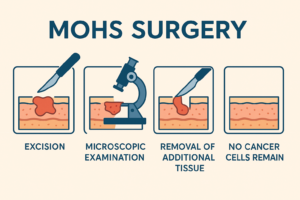
First, let’s go over the main differences between SRT and Mohs surgery, the gold standard for treatment of BCC and SCC in the head, neck, hands, feet, genitals, and other high-risk areas.
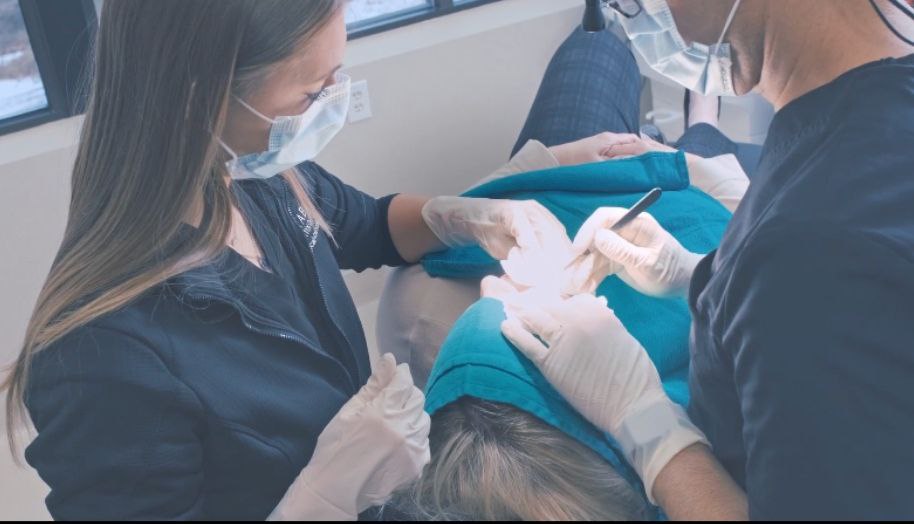
Superficial Radiation Therapy (SRT) vs. Mohs Surgery
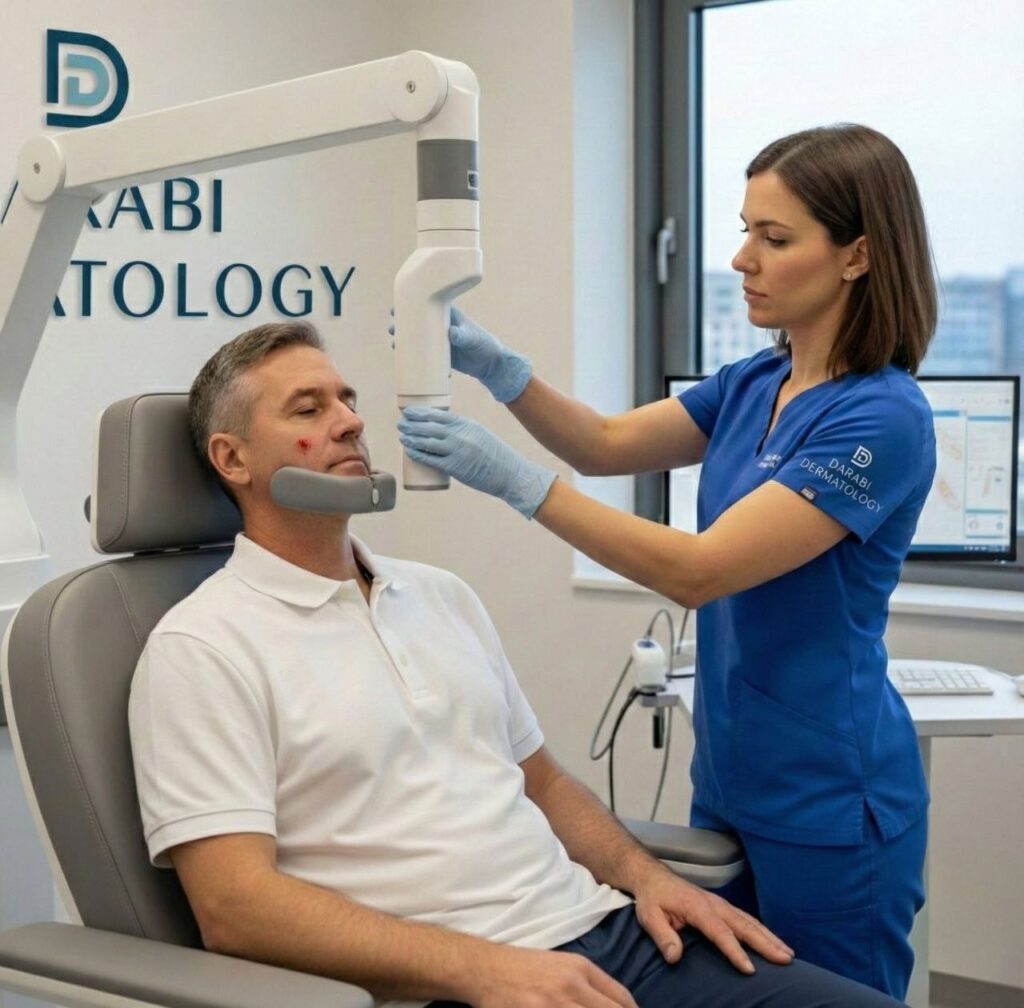
SRT is a non-surgical treatment that uses low-energy x-rays to destroy cancer cells in the skin’s upper layers. It is typically performed in short sessions several times per week over a few weeks as an outpatient procedure.
SRT is most often used for basal and squamous cell carcinomas in patients who prefer to avoid surgery or are not good surgical candidates (e.g., unable to cooperate, high risk of bleeding with multiple blood thinning medications, or poor wound healing).
Read More: Skin Cancer
Comparison: SRT vs. Mohs Surgery
| Feature | SRT (Radiation Therapy) | Mohs Surgery |
| Number of Visits | Usually 10-20 short treatments over 2-5 weeks. | Usually one visit performed in 1 day; occasionally 2-3 “stages” the same day. |
| Scarring & Cosmetic Effects | No incision or stitches. May cause temporary redness, mild pigment loss, hair loss. Scarring is minimal. | Small surgical scar; excellent cosmetic outcome when closed carefully. Usually preserves normal pigment. |
| Side Effects | Temporary irritation, redness, or flaking; rarely long-term pigment change. | Bleeding, infection, or wound-healing issues are possible but uncommon. |
| Direct Cost (Medical Bills) | Typically $1,500-$3,000+, depending on sessions; often covered by insurance. | Typically $1,000-$2,000+ (may rise if complex repair is needed); covered by insurance. |
| Indirect Cost (Time/Travel) | 10-20 visits mean greater time commitment and travel expense. | One-day procedure minimizes travel and time off work. |
| Cure Rate | About 90-95% for small, well-defined skin cancers (up to 99% with image-guided SRT). | 98-99% for primary lesions; the gold standard for margin control. |
How Does the Cure Rate Compare?
The cure (or recurrence-free) rates for SRT in treating non-melanoma skin cancers (specifically BCC and SCC) are good, but somewhat variable depending on tumor size, depth, location, histology, and follow-up.
Here is a summary of what the published literature shows:
- One review of SRT (older devices) reported recurrence-free success rates between 84% to 96%.
- Many dermatology sources describe SRT cure rates of around 90%-95% for localized BCC and SCC.
- Some more recent “image-guided” SRT (IG-SRT) sources state higher rates—over 99% for selected lesions.
Interpretation & Caveats
- Selection Bias: The higher rates (90-95% or >99%) are generally for primary, small, superficial, well-defined tumors in favorable locations. The rate drops when the tumor is larger, deeper, or has aggressive histology.
- Marketing vs. Reality: Many of the >99% claims come from marketing websites or selected cohorts rather than large randomized trials.
- The Gold Standard: Compared to surgery (especially Mohs surgery), many sources still consider surgery the “gold standard” because of microscopic margin control. The Skin Cancer Foundation notes a cure rate of “only ~90 percent” for radiation in some cases.
Practical Take-Aways
- For Low-Risk Cases: For small, superficial BCC or SCC in patients who cannot have surgery (e.g., elderly, poor wound-healing) and can attend 10-20 sessions, SRT is a reasonable option (~90-95% cure rate).
- For High-Risk Cases: For lesions with large size, aggressive histology, or poor locations, Mohs surgery remains the gold standard for the highest long-term cure rates (98-99%).
- Provider Experience: Patients need to ensure the SRT provider has experience. Image guidance adds cost to SRT, often making it more expensive than Mohs surgery.
I hope this article educated you about the difference between Mohs surgery and SRT. Please feel free to discuss any remaining questions with your Darabi Dermatology provider at your next visit.
Frequently Asked Questions (FAQ)
Yes, SRT is often an excellent option for elderly patients who may have other health conditions that make surgery risky, or who are taking blood thinners. It is non-invasive and painless.
The X-ray treatment itself is completely painless. However, after several sessions, the treated skin may become red, itchy, or sore, similar to a sunburn. This usually heals within a few weeks after treatment ends.
Absolutely. Since there is no anesthesia, cutting, or sedation involved, you can drive yourself to and from every appointment immediately.
Radiation therapy often destroys hair follicles in the specific area being treated. In many cases, hair loss in that exact spot is permanent. Mohs surgery also removes hair follicles, but only in the area that is excised.
The actual radiation delivery takes less than a minute. However, the total appointment time (check-in, setup, shielding) usually takes about 15 minutes.
Yes, SRT is a recognized medical treatment for skin cancer and is covered by Medicare and most major insurance plans. However, you will likely have a copay for each visit, which can add up over 20 sessions.
No. SRT is FDA-cleared for non-melanoma skin cancers like Basal Cell Carcinoma and Squamous Cell Carcinoma. Melanoma requires surgical excision.
If cancer recurs after radiation, Mohs surgery is usually the next step. However, surgery on radiated skin can be more complex due to scar tissue and changes in blood supply, making healing slower.
IG-SRT uses ultrasound to see the tumor depth before treatment. While studies suggest it may have higher cure rates than older blind radiation methods, it is also significantly more expensive and still does not offer the 100% margin verification of Mohs surgery.
Radiation works best when delivered in small doses (“fractionated”) over time. This allows healthy cells nearby to repair themselves between treatments while the cancer cells die off. Doing it all in one large dose would cause too much damage to healthy skin.