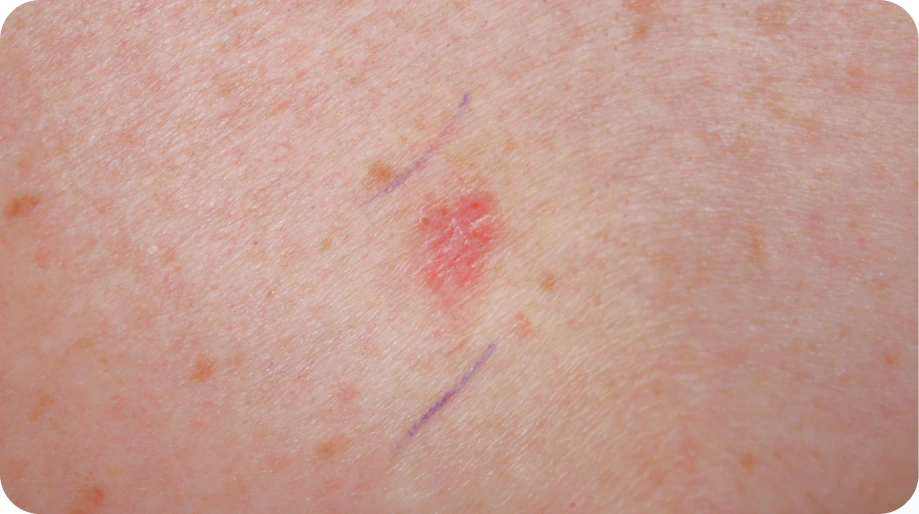
Basal Cell Carcinoma (BCC)
The most common form of skin cancer.

At Darabi Dermatology, we provide a distinct “in-house advantage” for your peace of mind.
As one of the only triple board-certified dermatologists in the nation—certified in Dermatology, Mohs Surgery, and Dermatopathology—Dr. Darabi bridges the gap between your clinical exam and your results. By evaluating most biopsies in-house, we ensure faster turnaround times of typically 2-5 business days and superior diagnostic accuracy. Whether you are visiting our Chaska or Hutchinson locations, you receive expert care from the provider who saw your skin to the pathologist who understands your unique case under the microscope.
Dermatopathology is the specialized study of skin diseases at the microscopic level. When you undergo a skin biopsy at Darabi Dermatology, the tissue sample is viewed by a dermatopathologist—a physician with advanced training in both dermatology and the pathology of the skin. This expert examines the sample under a microscope to provide a definitive diagnosis.
Unlike many medical clinics that send samples to general pathologists who see a wide variety of organ tissues, we keep our focus specialized. At Darabi Dermatology, we do not send your biopsy to a generalist with less specific experience in skin. Instead, your skin is evaluated by an expert dedicated solely to skin disorders. This detailed analysis is essential for identifying everything from complex rashes and inflammatory conditions to benign growths and skin cancer. By combining an expert clinical evaluation with an expert microscopic diagnosis, we ensure you receive the most accurate results and a treatment plan tailored specifically to your needs.
THE DARABI ADVANTAGE
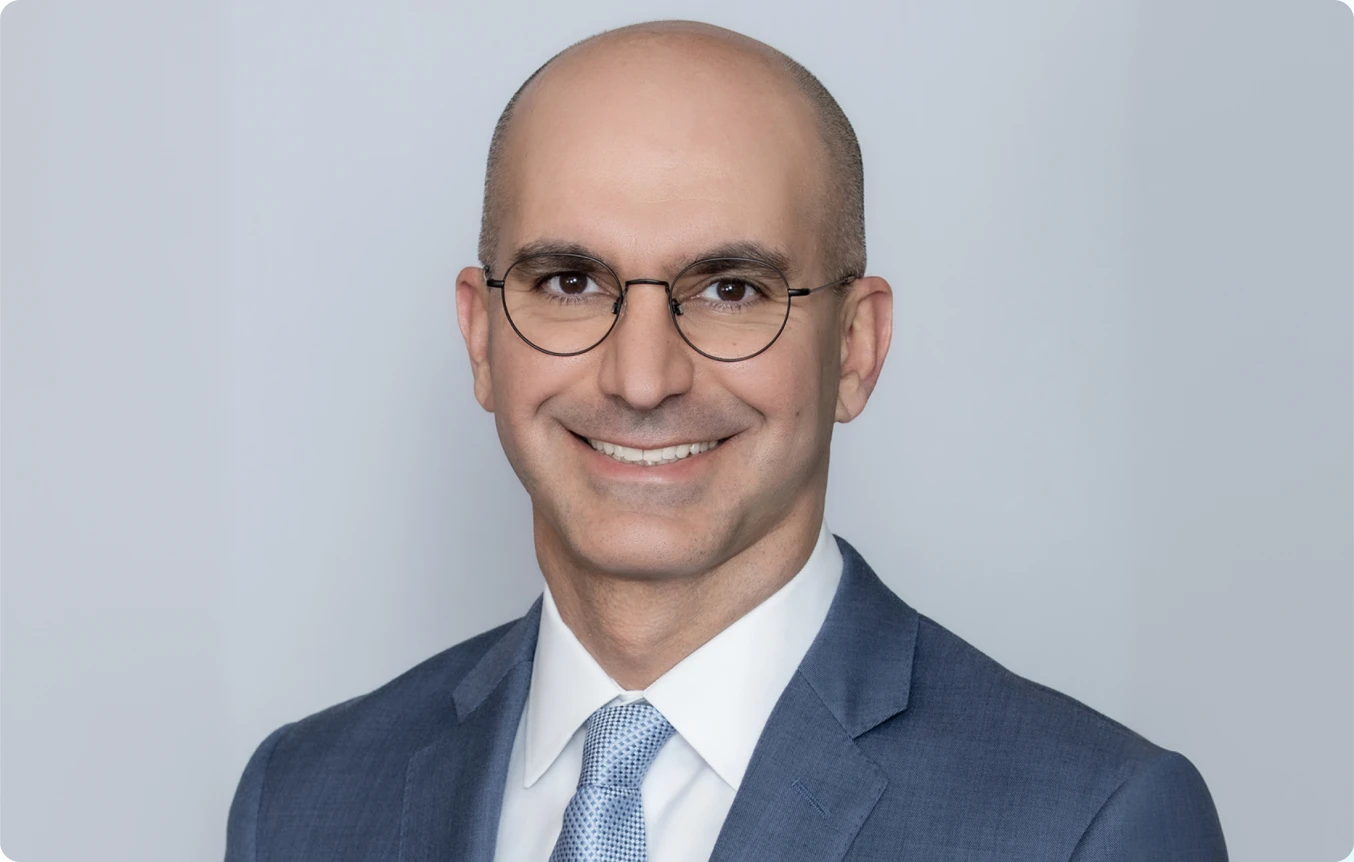
At Darabi Dermatology, we believe that who reads your skin biopsy is just as important as the procedure itself. The "Darabi Dermatology Advantage" lies in our unique, integrated approach to diagnosis. In most dermatology offices, a sample is taken and mailed to a large, distant laboratory where a pathologist—who has never met you—looks at the slide. At our clinics in Chaska and Hutchinson, most biopsies are evaluated in-house by Dr. Kamruz Darabi, who has access to your medical record and photographs of your skin condition and can confer with your provider if needed.
As a triple board-certified expert in dermatology, Mohs surgery, and dermatopathology, Dr. Darabi provides a seamless connection between your clinical exam and the microscopic analysis. This results in significantly faster turnaround times and a higher level of diagnostic precision.
THE TYPICAL MODEL
THE DARABI ADVANTAGE
 Most biopsies evaluated in-house by Dr. Darabi
Full access to your medical record and photos
Can confer directly with your provider
Faster turnaround and higher diagnostic precision

While we handle the majority of cases in-house, we also maintain active partnerships with the nation's leading academic dermatopathology laboratories. If needed, for rare or exceptionally complex cases, we utilize these trusted networks for specialized testing and second opinions. This ensures you receive world-class care, combining Dr. Darabi's personal expertise with the resources of international specialists when needed.
WHAT A BIOPSY REVEALS
A skin biopsy is a powerful diagnostic tool that provides answers when a visual exam isn't enough. For many patients, the primary concern is the early detection of skin cancer. A biopsy is the "gold standard" for identifying:
The most common form of skin cancer.
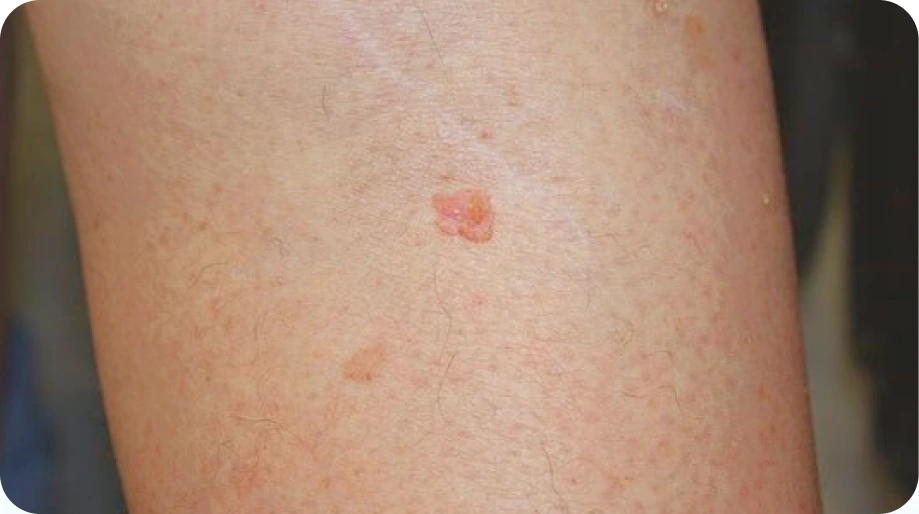
Often resulting from chronic sun exposure.
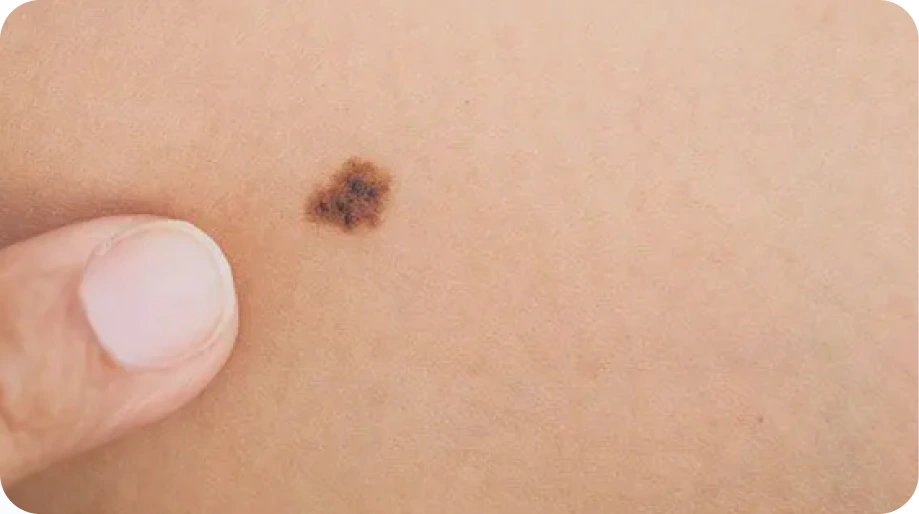
The most serious form of skin cancer, where early detection is vital.
Beyond the history and clinical exam, dermatopathology is essential for diagnosing a wide range of persistent or confusing skin conditions.
Aside from diagnosing skin cancers, we use biopsies to confirm cases of psoriasis and eczema, identify bacterial or fungal skin infections, and confirm rashes that can result from allergic reactions. It is also an invaluable resource for diagnosing rare inflammatory skin disorders that may not respond to standard treatments. By looking at the cellular level, we can differentiate between look-alike conditions, ensuring you receive the correct diagnosis and the most effective treatment plan.


HOW IT WORKS
We understand that any medical procedure can cause anxiety, which is why we prioritize your comfort and keep you informed at every step. A skin biopsy is a routine, outpatient procedure that typically takes only a few minutes. We perform it several times each day.
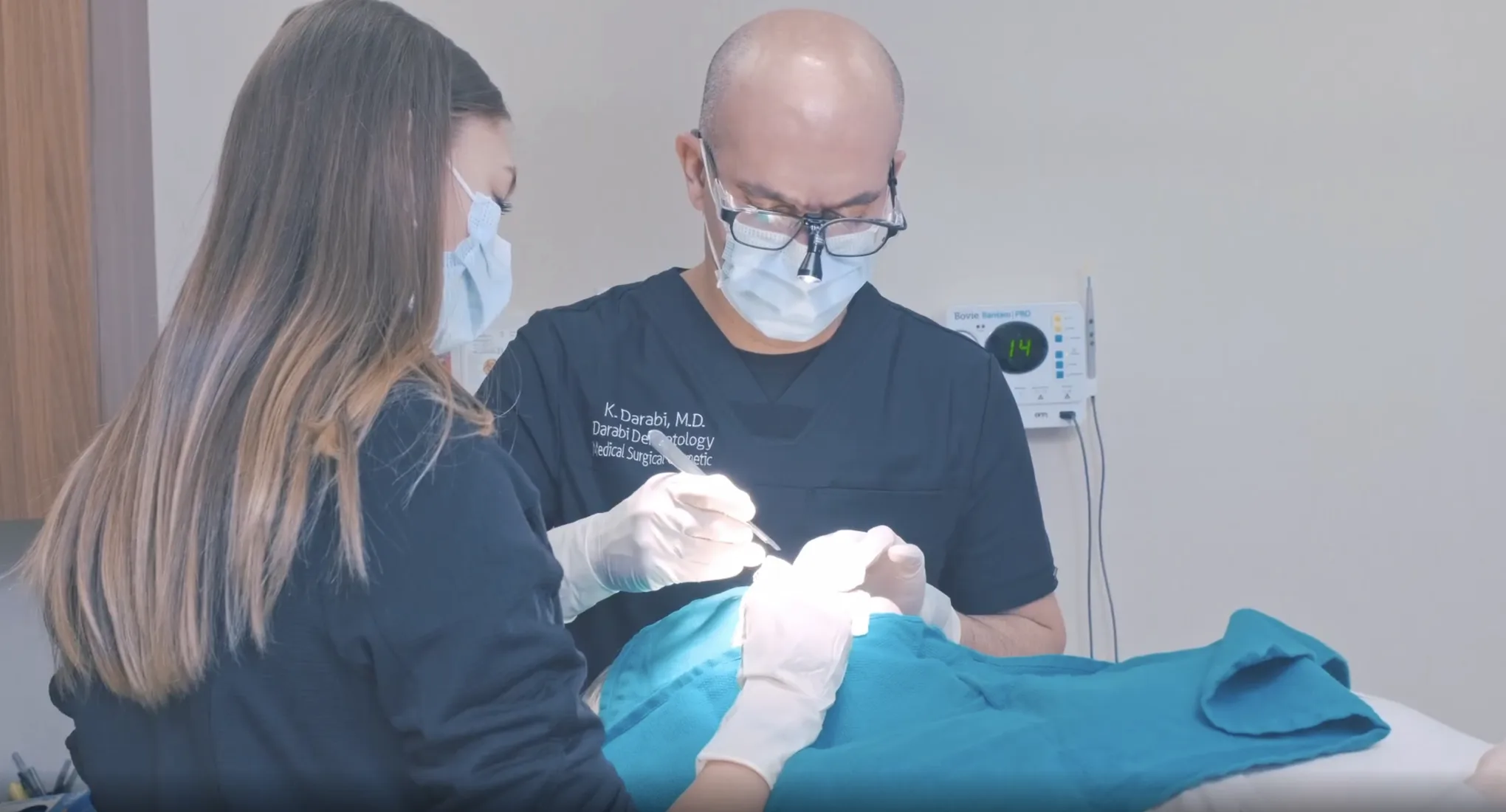
First, we use a very fine needle to inject a local anesthetic. You will feel a brief, tiny pinch—similar to a mosquito bite—and then the area will be completely numb, ensuring you feel no pain during the collection.
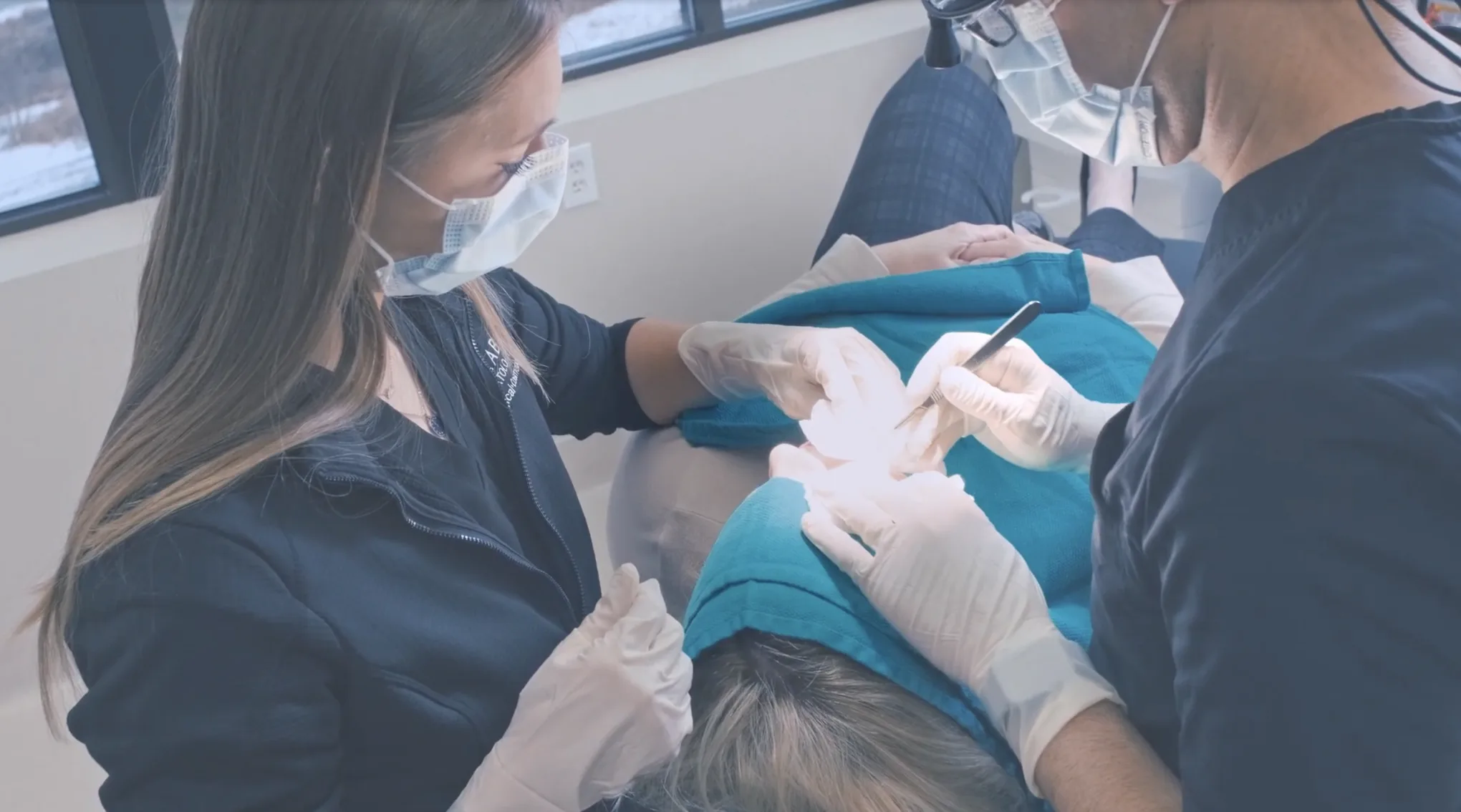
Depending on the lesion, your provider will perform either a "shave" or a "punch" biopsy to remove a small, precise sample of the skin. This process is quick and focused only on the suspicious area.
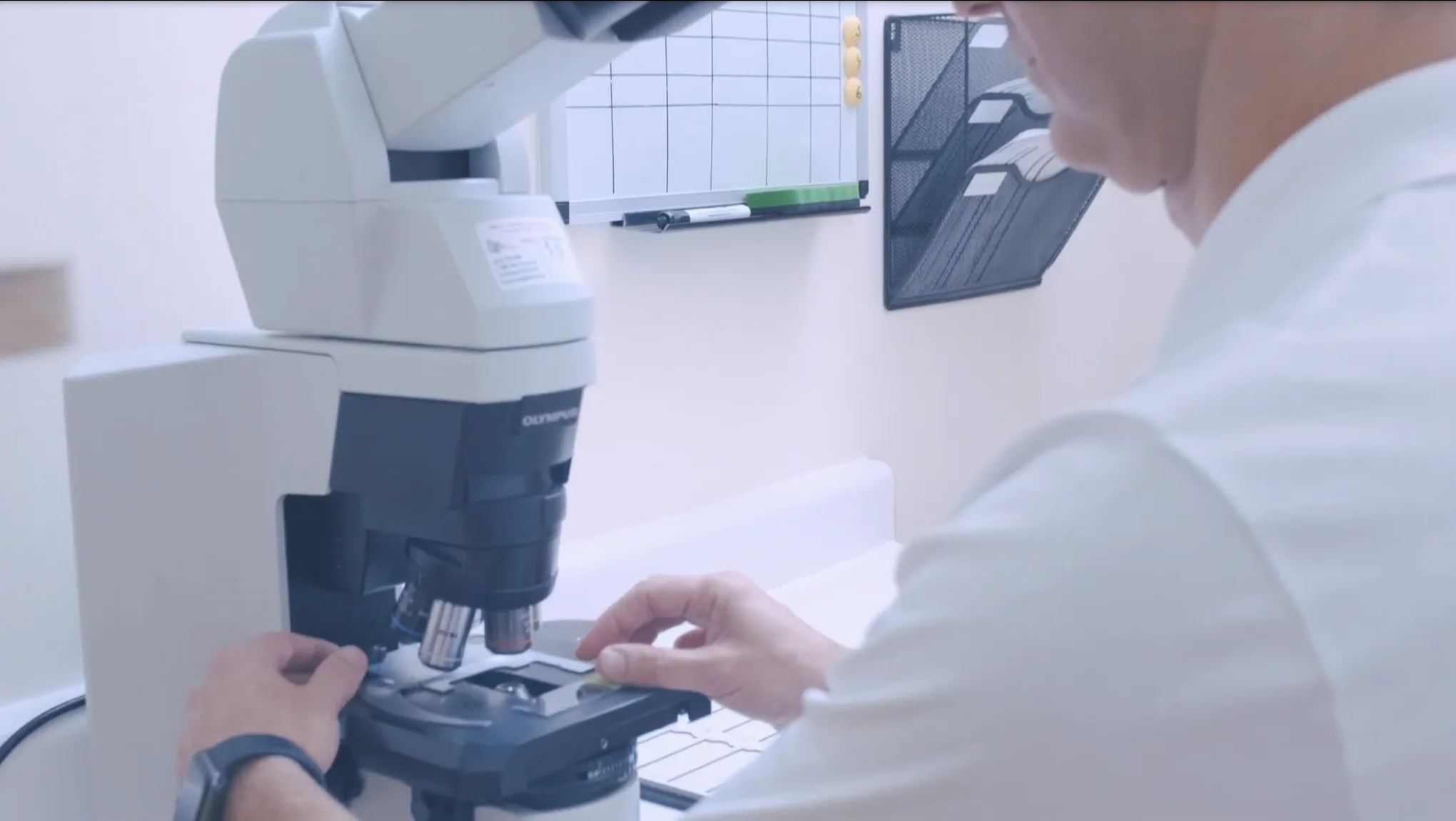
Your biopsy gets processed and the tissue examined under the microscope, looking for specific cellular patterns to identify the exact nature of your condition.
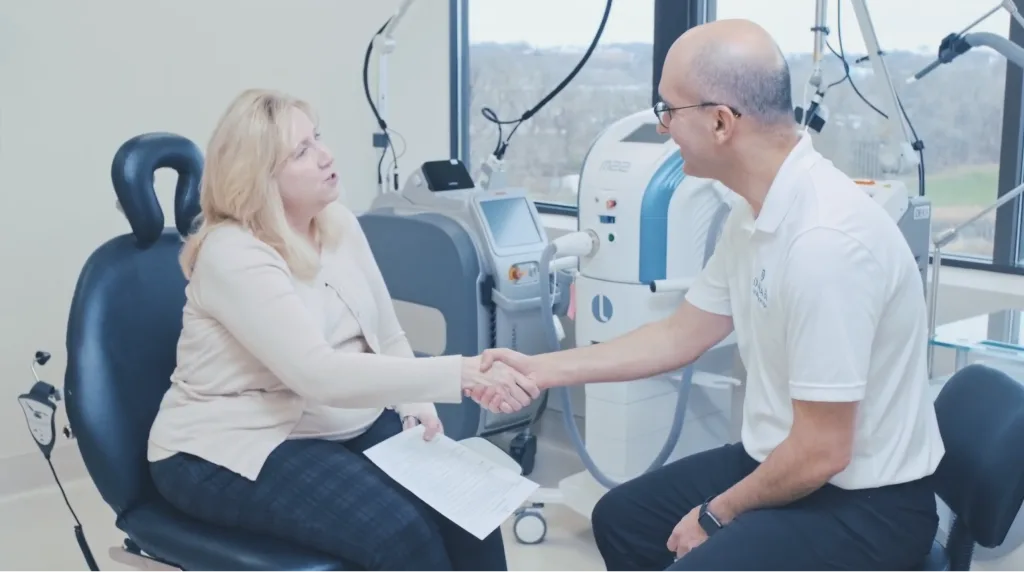
Once the analysis is complete, we will explain the findings in detail. Whether the result is benign or requires further action, we will create a treatment plan tailored specifically to your diagnosis and health goals.

Don’t leave your skin health to chance. Experience the peace of mind that comes with board-certified expertise and our rapid results. For your convenience, we offer expert dermatopathology services for patients at both of our locations. Contact us today to schedule your visit at our Chaska or Hutchinson office and take the first step toward an accurate diagnosis.


