Skin Excision Surgery at Darabi Dermatology

Expert Removal of Growths, Moles & Skin Cancer

Schedule an Appointment

When you notice a changing mole, an unusual lump, or a lesion on your skin, the uncertainty can be overwhelming.

At Darabi Dermatology, your care is led by Dr. Kamruz Darabi, one of the few triple board-certified dermatologists and surgical experts in the U.S., or one of our other highly skilled dermatology providers. Whether you require the precise surgical excision of a malignant skin cancer with clear margins or simply wish to remove a benign growth for your comfort and peace of mind, our team treats both with absolute precision. We prioritize your health and relief, offering convenient consultation appointments within just one to two weeks.

Schedule a Consultation

What Is Skin Excision?

A skin excision is a minor, in-office surgical procedure designed to completely remove a skin growth from its roots. Unlike surface-level techniques like a shave or punch biopsy, which only take a small sample of tissue, a full-thickness skin excision surgery cuts through the epidermis, dermis, and into the subcutaneous fat layer. To ensure a thorough treatment, a dermatology provider uses a local anesthetic to numb the area, then uses a scalpel to excise skin around the lesion, including a precise, healthy margin of surrounding tissue.

At Darabi Dermatology, we primarily utilize two proven techniques depending on your unique case. The most common approach is an elliptical excision, where an oval-shaped piece of tissue is removed so the edges can be closed smoothly with minimal tension. For select superficial or broad lesions, a deep saucerization excision may be chosen to cleanly scoop out the growth while preserving deep tissue layers and avoiding a wound closure under tension.

Whether the lesion is a bothersome benign cyst or a suspicious mole flagged by your doctor, the goal is the same: complete, clean removal with minimal disruption to surrounding skin. This deep removal serves two critical, overlapping purposes:

It is therapeutic:

It physically removes a problematic or dangerous growth from your body.

It is diagnostic:

The entire removed specimen is sent to a specialized laboratory for careful analysis to confirm the diagnosis, rule out a cancer (malignancy), or confirm the harmful lesion has been completely removed.

When Is Skin Excision Recommended?

Skin excision is a highly versatile procedure recommended for a wide range of dermatological needs. At Darabi Dermatology, we perform excisions to address two distinct categories of skin conditions: benign growths that cause physical discomfort or cosmetic concern, and malignant or pre-malignant lesions that require immediate therapeutic removal.

Benign Growths

This includes symptomatic lipomas, large epidermoid cysts that frequently become inflamed, and irregular or highly elevated moles that constantly catch on clothing or jewelry. While these lesions do not pose a threat to your life, removing them can significantly improve your daily comfort and restore your confidence.

Pre-Malignant Lesions and Skin Cancers

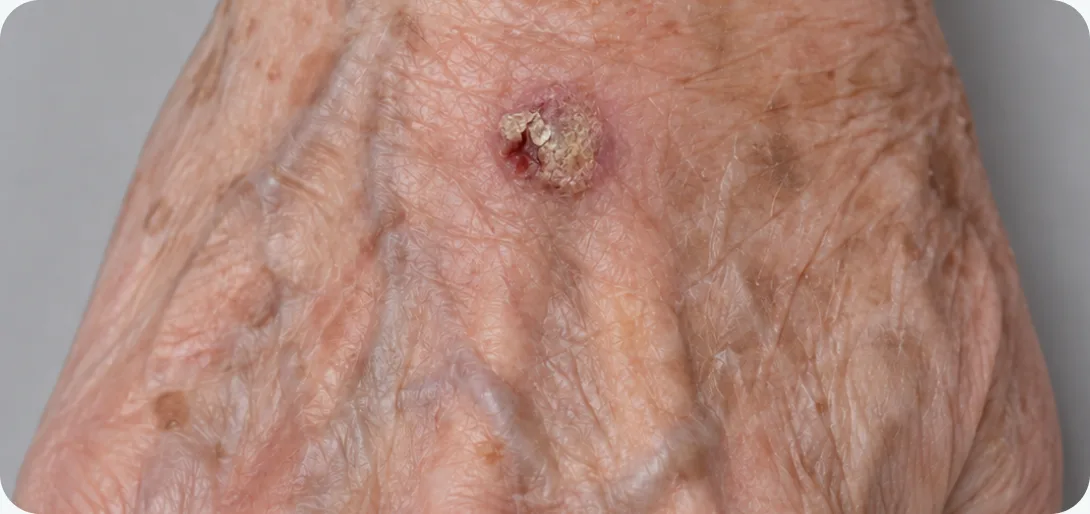
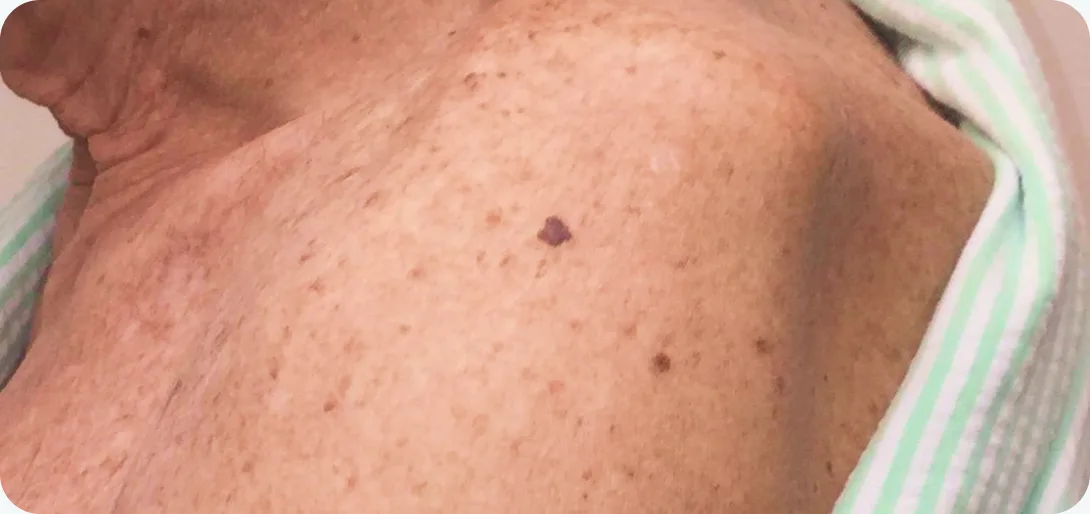
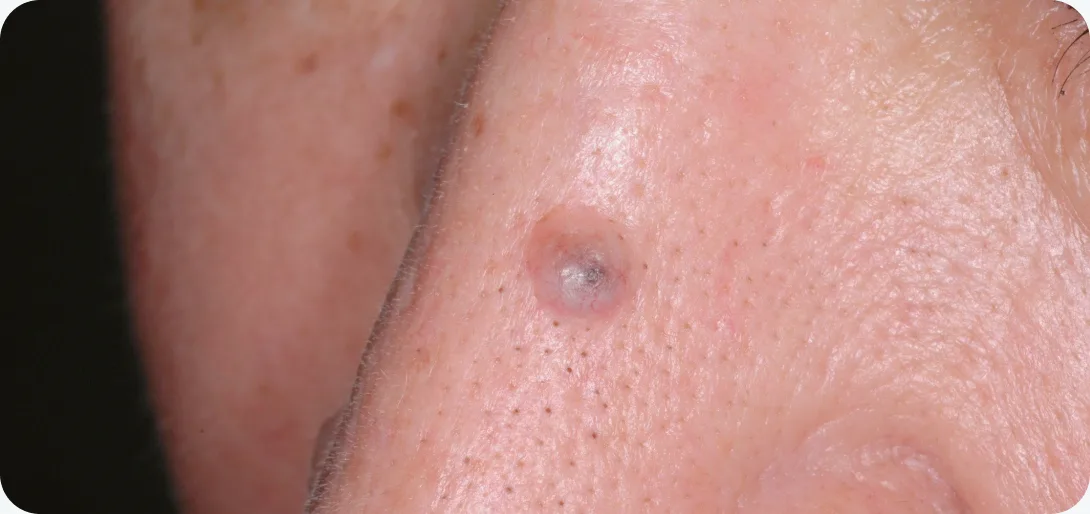
These demand surgical intervention. This includes basal cell carcinoma (the most common form of skin cancer), squamous cell carcinoma, and melanoma, as well as benign but abnormal moles called atypical nevi (dysplastic nevi) that exhibit high-risk features under evaluation. For these lesions, a precise surgical excision is necessary to completely eradicate the diseased or abnormal cells, establish clear margins, and prevent a skin cancer from spreading. Whether your goal is symptom relief, cosmetic restoration, or life-saving cancer treatment, an excision provides a definitive, reliable path forward.

Non-Cancerous Growths

Even when a lesion is completely benign, it can still cause pain, look unappealing, or carry a risk of future complications. There are several common reasons your dermatology provider may recommend a surgical skin excision for a non-cancerous growth:

Epidermoid, Follicular, or Sebaceous Cysts

These fluid-filled sacs beneath the skin can become chronically inflamed, painfully enlarged, or repeatedly rupture and return if the protective outer sac is not entirely excised.

Lipomas

These slow-growing, fatty tissue lumps develop just beneath the skin. While harmless, they can grow large enough to press on nerves, become tender, or create a noticeable, bothersome bulge.

Dysplastic (Atypical or Abnormal) Moles

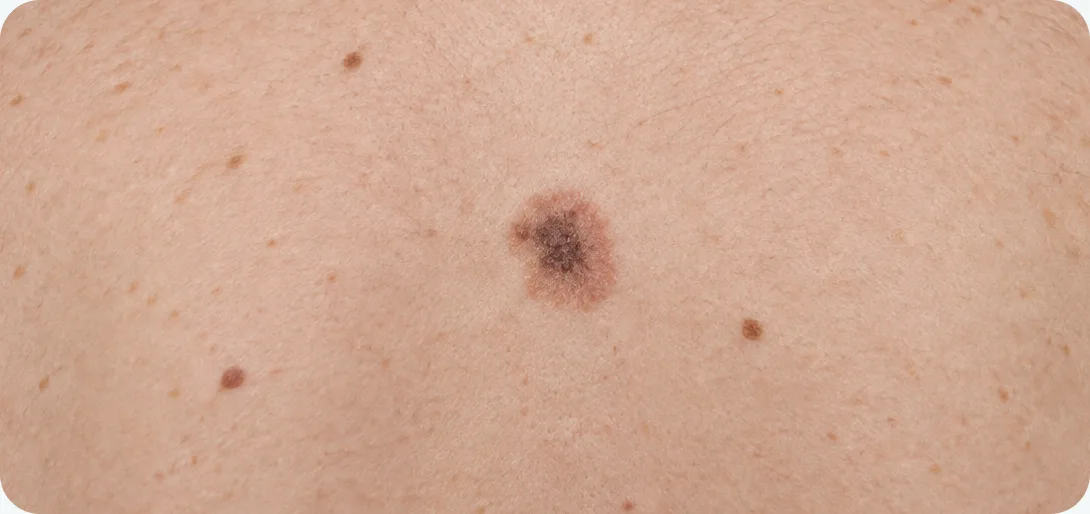
These are unusual-looking benign moles that share some characteristics with melanoma under a microscope. If a mole displays highly irregular or high-risk features, excising it prevents it from potentially evolving into skin cancer down the road.

Irritated Skin Tags

While small, skin tags that frequently snag on clothing, zippers, or jewelry can become bleeders, turn painful, or suffer from constant friction.

Dermatofibromas and Benign Nodules

These firm, deep-seated bumps often develop on the lower legs and can become itchy, tender, or highly uncomfortable during daily movement.

Malignant or Suspicious Lesions

Skin cancer excision surgery is often recommended for:

Basal Cell Carcinoma (BCC)

Basal Cell Carcinoma (BCC)

Most common type of skin cancer; highly treatable when caught early and removed completely.

Squamous Cell Carcinoma (SCC)

Squamous Cell Carcinoma (SCC)

Slow-growing but capable of spreading without treatment.

Melanoma

Melanoma

Requires wider excision margins; more aggressive form of skin cancer.

Atypical Nevi (Moles)

Atypical Nevi (Moles)

Remove if high-risk features are confirmed on biopsy.

Step-by-Step: Skin Excision Surgery at Darabi Dermatology

We understand that undergoing any surgical procedure can bring a wave of anxiety. However, knowing exactly what to expect is often the best way to replace fear with confidence. Our team combines a warm, compassionate bedside manner with strict clinical excellence to ensure your experience is as comfortable and seamless as possible.

Consultation & Assessment

Your dermatology provider reviews the lesion, discusses your medical history, and confirms whether an excision is the best path forward. Your provider will thoroughly review the pathology results with you and explain exactly what the diagnosis means for your care.

Excision Procedure

The total procedure time typically ranges from 30 to 45 minutes, depending entirely on the size and location of the lesion being treated.

Local Anesthesia

At the start of your excision appointment, the treatment area is meticulously cleaned and numbed with a precise local anesthetic injection. While you may feel a brief, minor pinching sensation during the injection, the area becomes completely numb within moments, ensuring you feel no pain during the procedure.

Excision

Using a scalpel, your dermatology provider carefully removes the lesion along with a precise margin of surrounding healthy tissue. When treating skin cancer, achieving these clear margins is our primary goal to ensure no malignant cells are left behind.

Wound Closure

To facilitate optimal healing and minimize scarring, the wound is closed with sutures, typically utilizing a meticulous two-layer technique. A deep layer of dissolving stitches is placed underneath the skin to relieve tension, followed by a superficial layer to fine-tune the aesthetic outcome before a sterile bandage is applied.

Pathology Evaluation

At Darabi Dermatology, the excised tissue is carefully analyzed, often right here in our specialized, in-house dermatopathology lab or sent to a trusted third-party laboratory when necessary.

What to Expect in the Days and Weeks Ahead

Recovering from a skin excision is generally straightforward, and most patients comfortably return to light daily activities the very same day. While smaller excisions require very little downtime, larger or more complex removals may necessitate a slightly more cautious recovery period.

To help you plan ahead, here is what you can expect regarding the four most common recovery questions:

Pain

Expect only mild discomfort for the first 24 to 48 hours. This is not typically a painful recovery, and any soreness is easily manageable with over-the-counter acetaminophen/Tylenol®.

Activity Restrictions

Avoid strenuous exercise, heavy lifting, or stretching the area for 1 to 2 weeks, depending on the location of your excision.

Wound Care

Keep the surgical site clean and moist, changing the bandages exactly as directed. Avoid submerging the wound in pools, lakes, or bathtubs until your provider officially clears you, typically 10 to 14 days.

Stitch Removal & Scarring

Non-absorbable superficial sutures are typically removed in our clinic within 7 to 14 days. While some degree of scarring is a natural part of the healing process, our providers use meticulous planning and suturing techniques to ensure it is as minimal and discreet as possible.

Following your post-operative care instructions—especially applying daily sunscreen and silicone sheets or gel to the healing line after sutures are removed or dissolved—will significantly improve your long-term cosmetic outcome.

Skin Excision Available at Both Darabi Dermatology Locations in the Twin Cities Region

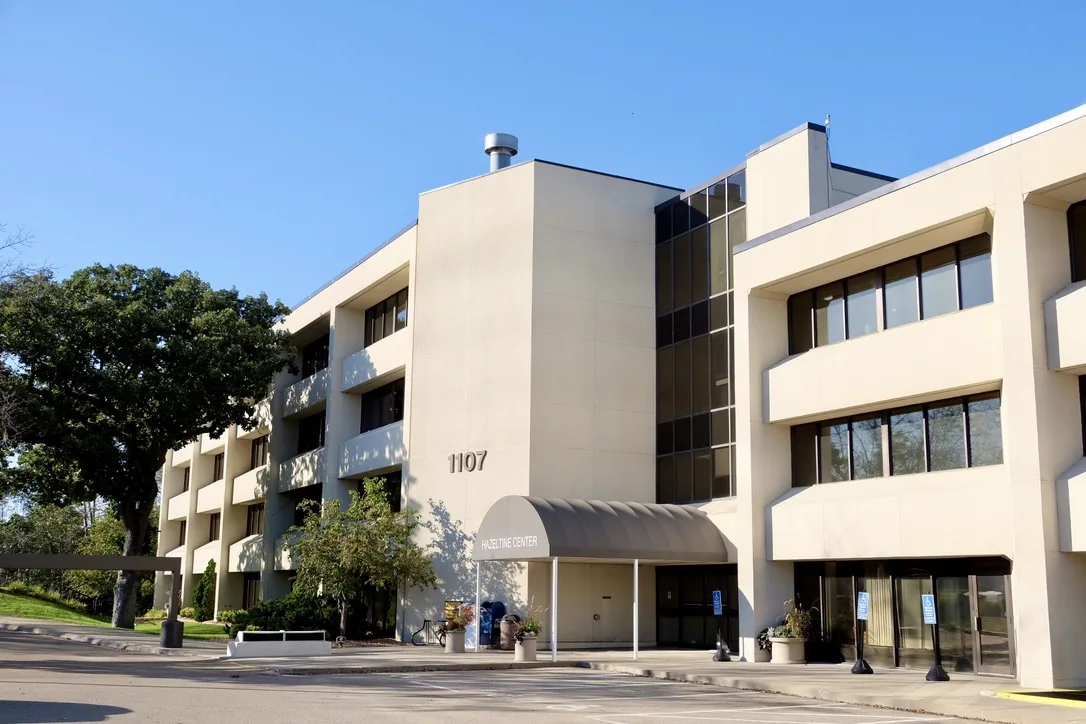
Darabi Dermatology offers expert skin excision surgery at two convenient locations, serving patients across the greater Minneapolis–St. Paul metro and surrounding communities, from Eagan to Willmar, and St. Cloud to Mankato. Both of our modern facilities are fully equipped to handle your surgical excision needs:

Are You Concerned About a Skin Growth or Lesion? Schedule an Appointment Today!

Do not let the anxiety of an uncertain skin growth linger. Darabi Dermatology combines advanced surgical precision and prompt appointment availability within just one to two weeks. By streamlining your entire care journey under one roof, we provide the Twin Cities region with faster answers, definitive treatments, and exceptional peace of mind.

Frequently Asked Questions About Skin Excision